01
Hardwired Smoke Alarms
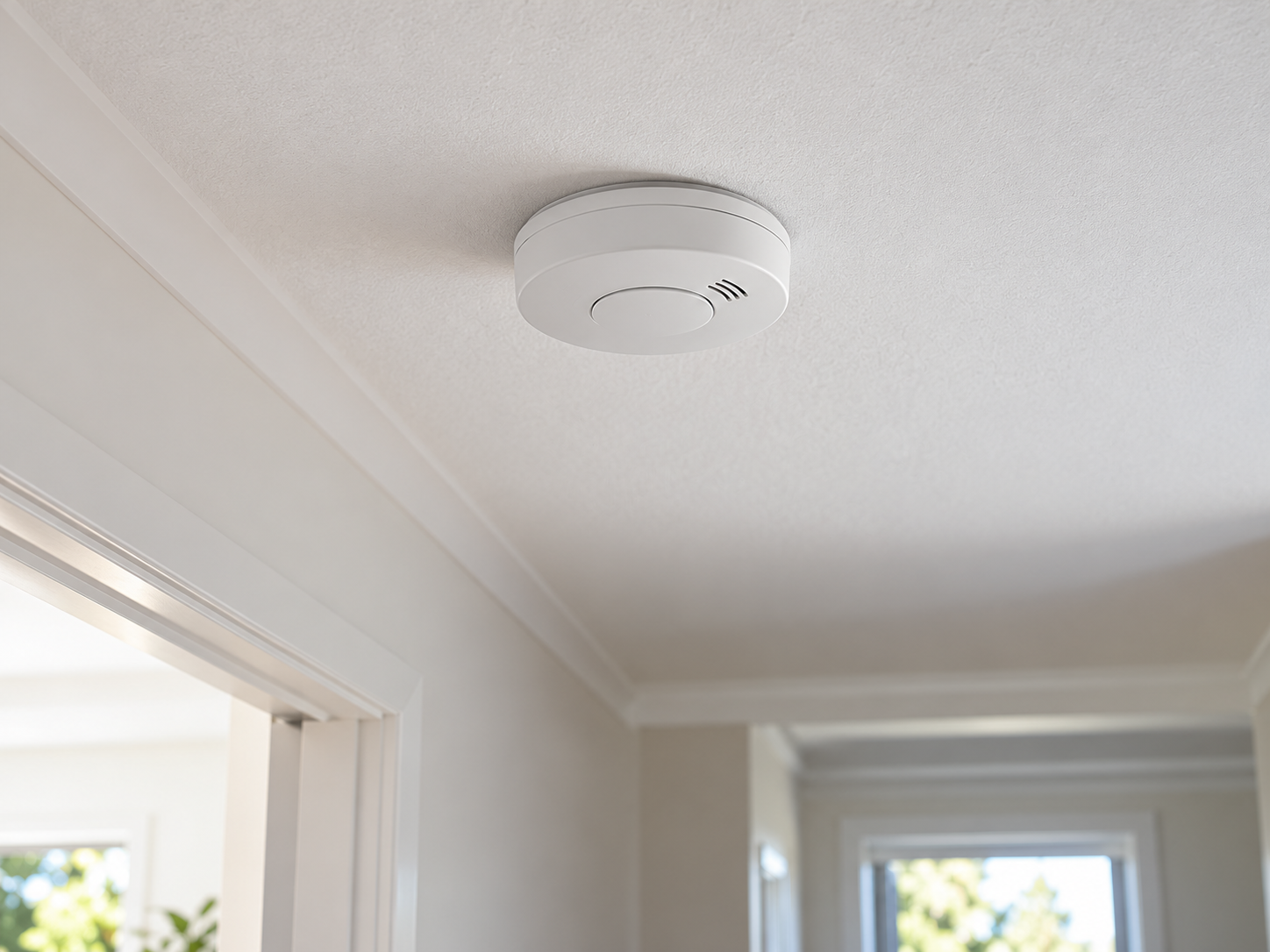
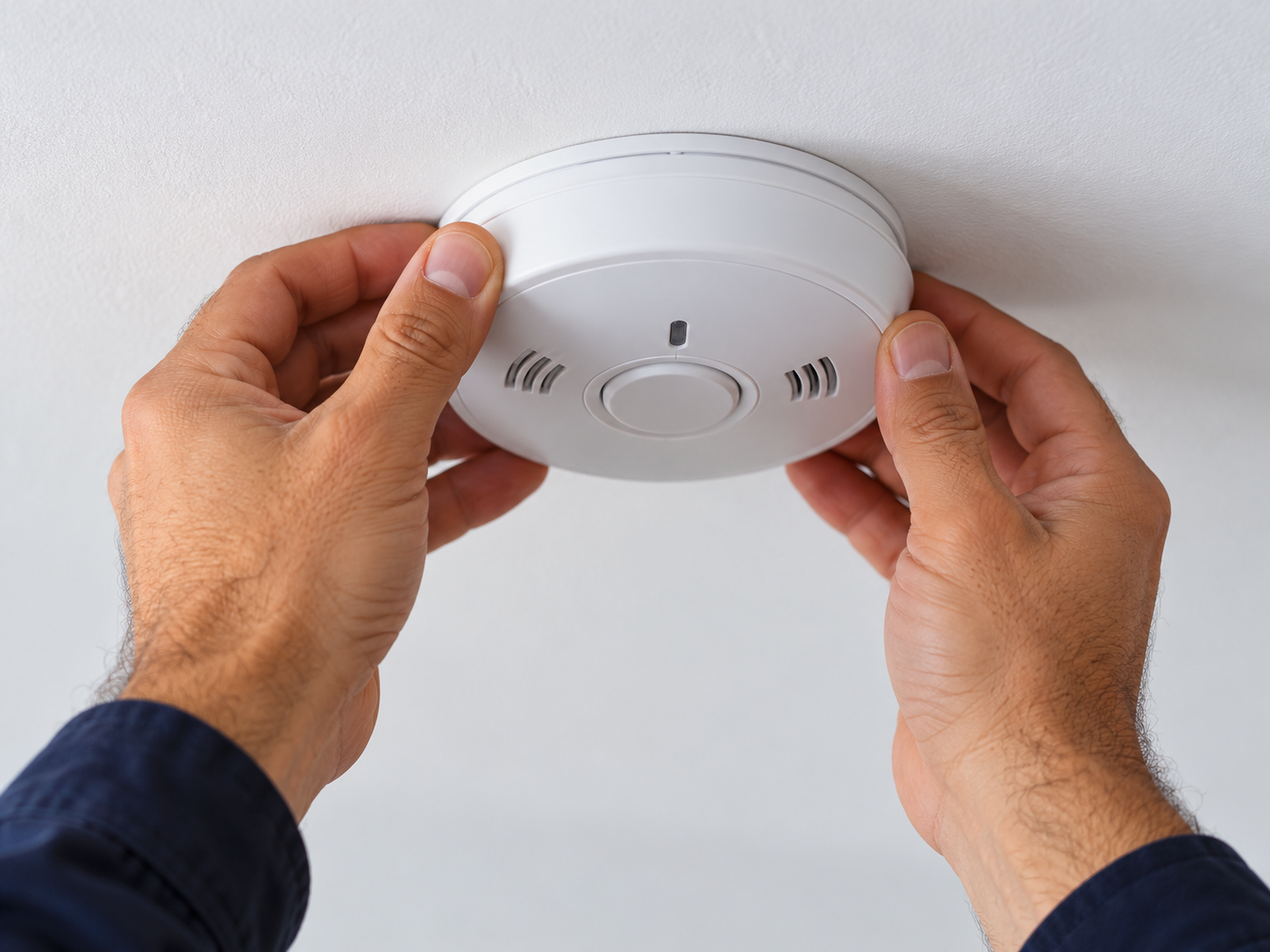
Install ceiling-mounted alarms powered by the home’s electrical supply, with battery backup for blackouts. Each unit is connected to a suitable circuit, positioned for coverage and tested before handover.
NEWCASTLE · LAKE MACQUARIE · THE HUNTER
Hardwired, interconnected smoke alarms from a licensed electrician, installed and tested so that when one detects smoke, every linked alarm sounds.
For hardwired installation.
Suitable compliant models.
Individually and together.
Owners, landlords and agents.
Tell us about the property and the alarms you need installed or replaced.
No instant prices or booking commitment. Your electrician confirms the scope and availability.
SMOKE ALARM SERVICES
From one replacement to a whole-house upgrade, several alarm jobs can often be combined in a single visit.

Install ceiling-mounted alarms powered by the home’s electrical supply, with battery backup for blackouts. Each unit is connected to a suitable circuit, positioned for coverage and tested before handover.

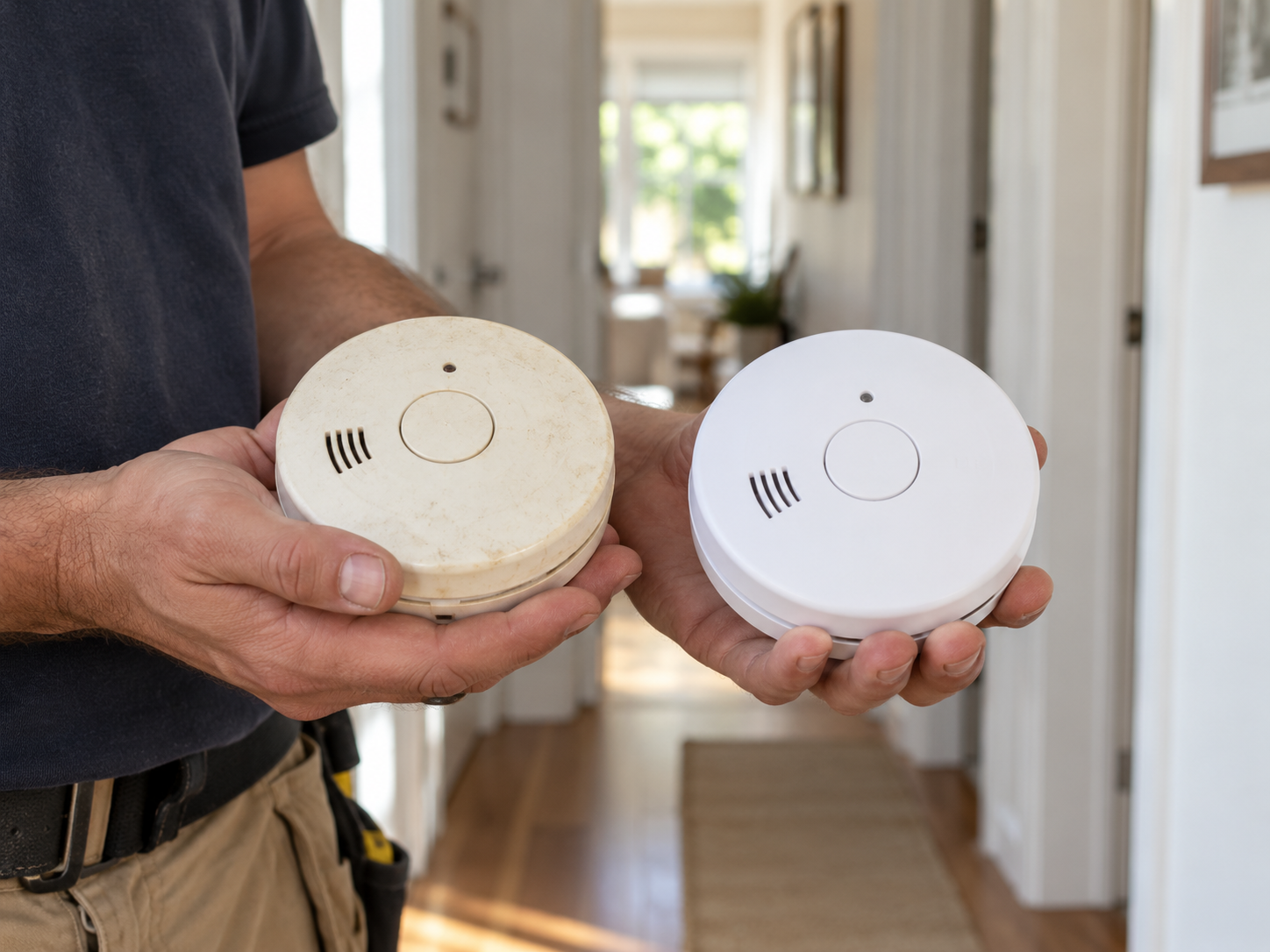
Check the manufacture date and replace units approaching the end of their working life. A sounding test button alone does not confirm an ageing sensor will detect smoke reliably.

Link compatible alarms so one detecting smoke triggers the whole set. Wired or wireless connections are selected to suit ceiling access, existing equipment and the layout of your home.

Replace suitable battery-only units with hardwired alarms and backup batteries. We assess cable access and compatibility, then explain how the new alarms can be linked throughout the home.

Plan alarm locations, mains power and interconnection alongside your building work. Requirements are assessed for the project, including bedroom hallways and levels without bedrooms, before the installation is quoted.

Arrange annual checks, age assessments and replacement of faulty alarms for rental properties. Hardwired repairs are handled by a licensed electrician, with clear findings for landlords and property managers.
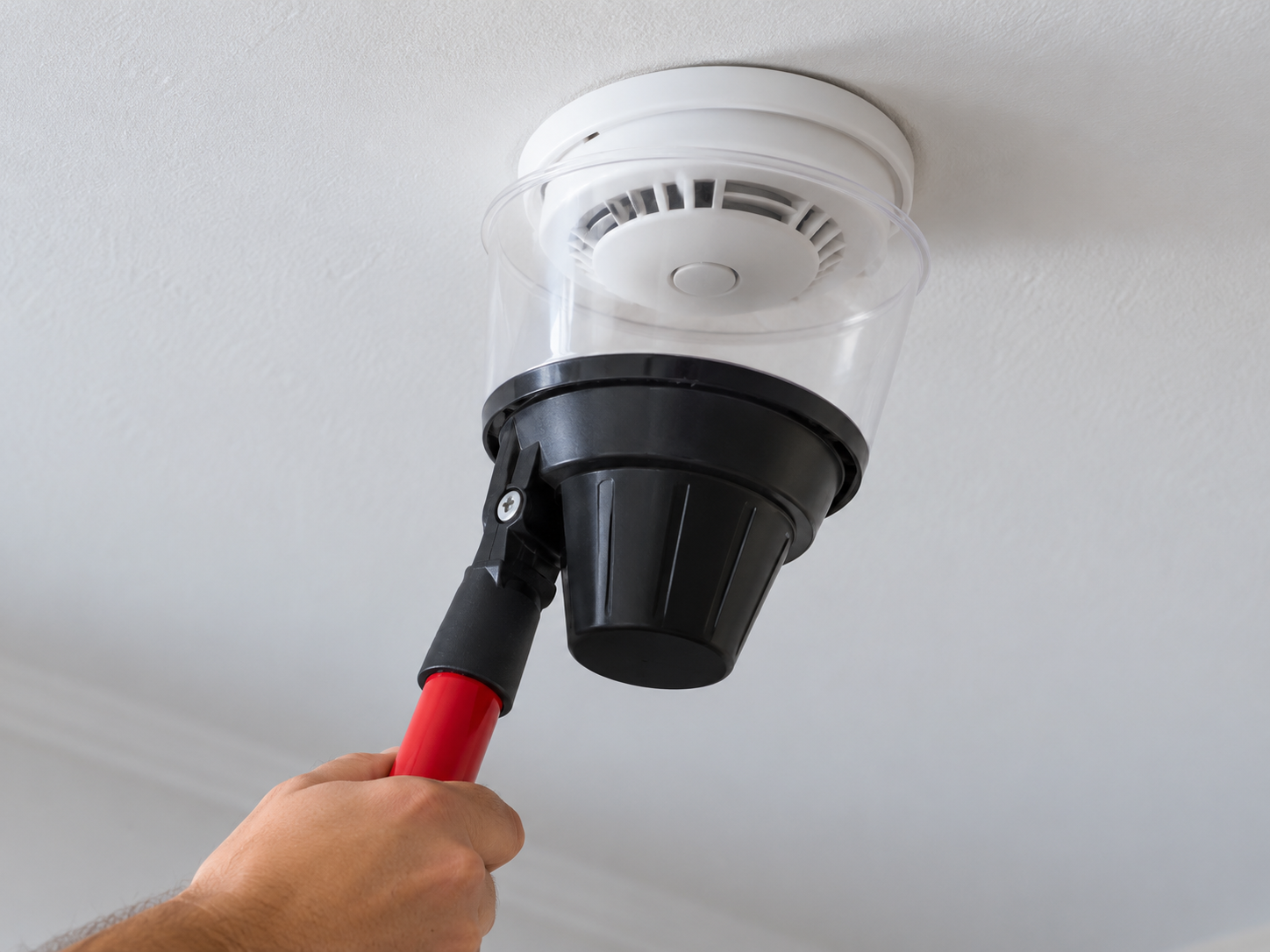
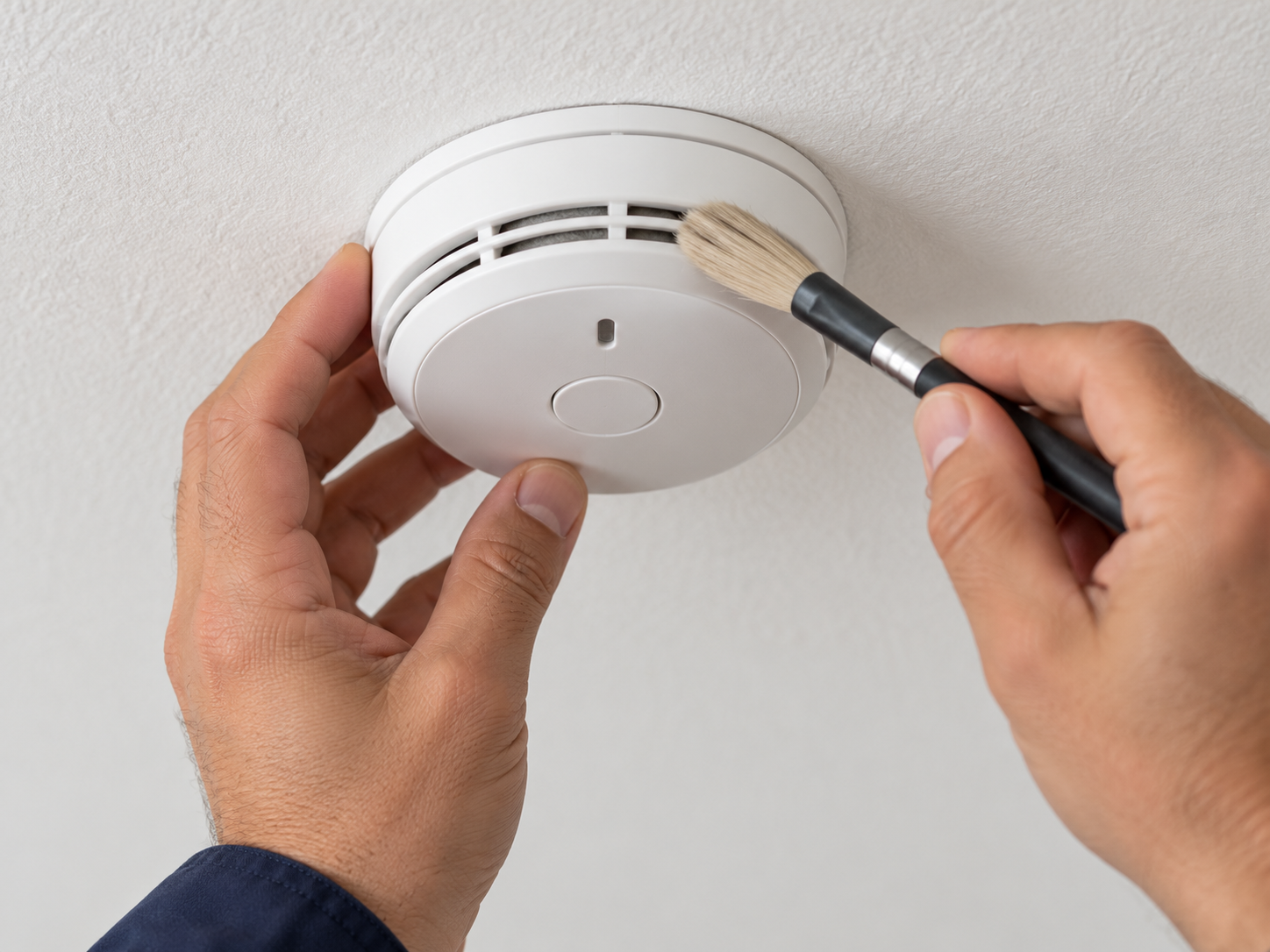
We test each alarm, clear dust and insects, and check its manufacture date. Faulty units are replaced with compatible models so the linked set continues to work together.
Older alarms can outlive their sensors, and a single hallway unit may be difficult to hear behind closed bedroom doors. Replacing ageing units and improving coverage helps address both problems.
The same licensed electrician adds alarms where coverage is missing, replaces worn units and links compatible models, whether you need one hardwired alarm or a complete set for a two-storey home.
CHOOSE THE RIGHT ALARMS
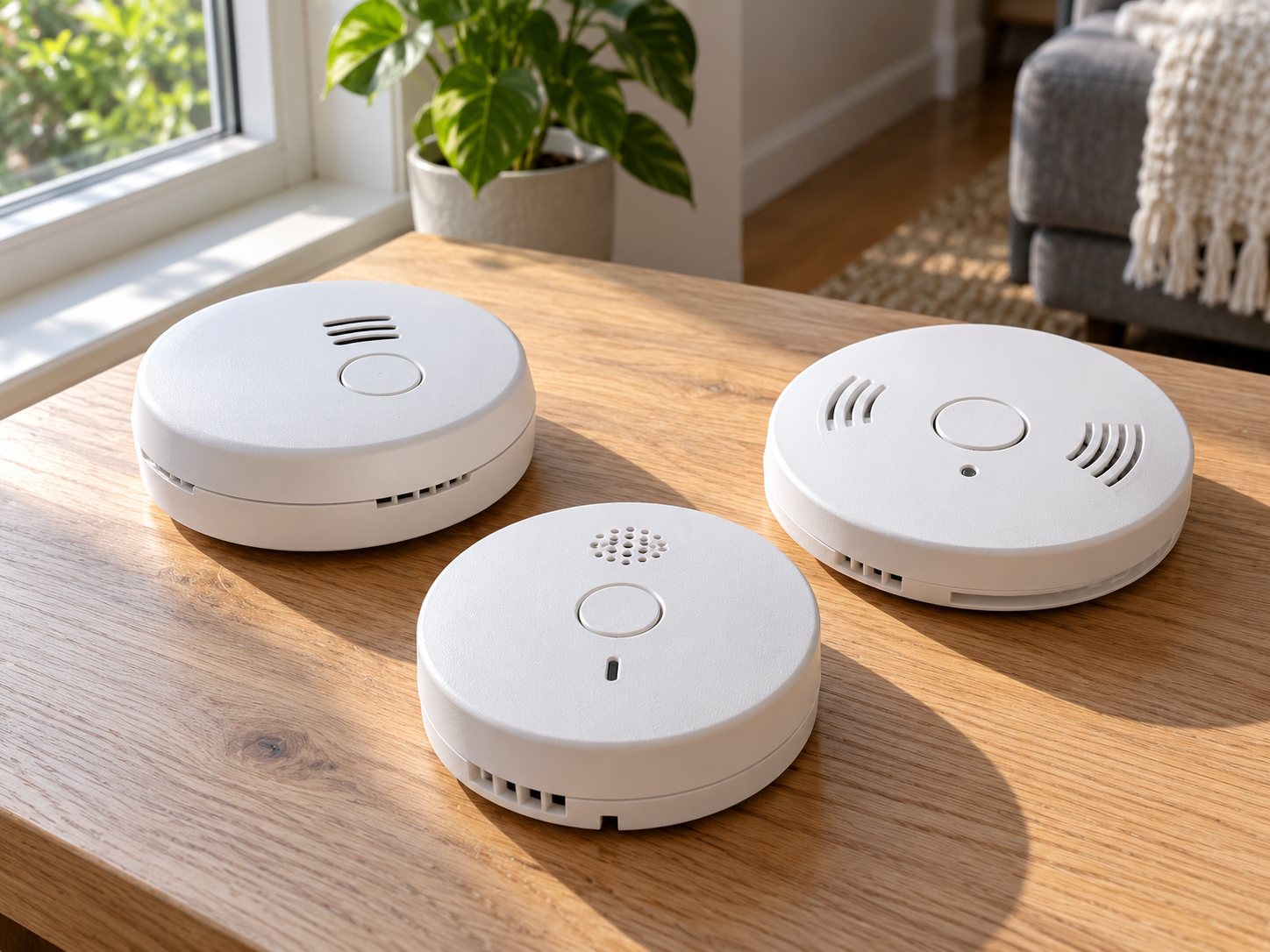
Detection technology, power supply and interconnection are separate choices. We help match them to your property.
Photoelectric alarms respond well to slow, smouldering fires and are less prone to cooking nuisance alarms than older ionisation models.
Compatible alarms selected for the home and tested as a set
Electrical work is easy to get wrong and hard to see once the walls are closed. Here’s what you get when it’s done properly.

POSITIONED FOR EARLY WARNING
The right location supports early detection and helps avoid nuisance alarms from steam, cooking and airflow.
Alarm positions are assessed for your home, the applicable requirements and the manufacturer’s installation instructions.
Plan coverage outside sleeping areas and consider alarms within bedrooms and living spaces, so warnings can be heard with doors closed.
Include each storey and assess stairways and escape routes. Coverage is planned for the whole home, including levels without bedrooms.
Keep alarms clear of corners, air-conditioning outlets and ceiling fans. Placement must allow smoke to reach the sensor.
Avoid positions prone to shower steam or cooking fumes. A suitable heat alarm may supplement detection in a garage or other appropriate area.
Neatly installed, correctly positioned and tested together
DONE PROPERLY
Anything connected to the home’s wiring needs a licensed electrician. Compatibility and positioning matter just as much.
A licensed electrician connects the alarm to the home’s wiring, tests the installation and provides the appropriate completion paperwork.
Replacements are matched to the existing set or the set is upgraded, so every linked alarm responds as intended.
Locations are assessed against applicable requirements, manufacturer guidance and the home’s layout before anything is drilled.
Mention a flickering light, loose power point or tripping safety switch when booking so additional work can be assessed and quoted.
FROM FIRST CALL TO HANDOVER
Clear steps from your first enquiry to the completed work.
We assess existing alarm ages, types and locations, then review missing coverage, roof access and the electrical supply.
Your quote sets out the alarm count, positions, power supply and linking method, covering the full upgrade before work starts.
Old units are removed and new bases are fitted. Alarms are connected to power and linked, with old ceiling marks covered where practical.
Each unit is tested separately and as part of the set. We explain testing, hush controls, date labels and replacement timing.
CUSTOMER FEEDBACK
Selected feedback from Newcastle Electrical customers on Google.
★★★★★
“Great service and highly professional. Quick to respond and very fair pricing. Would highly recommend!”
★★★★★
“These guys arrived at very short notice and were quick and efficient in identifying the problem, restoring power and saving a lot of drama. Thanks heaps!”
★★★★★
“Efficient same day service! Very pleased – thank you!”
Installation and replacement across Newcastle, Lake Macquarie, Maitland and the Hunter Valley, including Adamstown, Kotara, Jesmond, Stockton, Toronto, Swansea, Rutherford, Thornton, Singleton, Muswellbrook and Cessnock. Rural properties are covered too.
No suburbs match. Call 0450 406 450 to check if we cover you.
BEFORE YOU BOOK
Call or send your details if you have another question.
Only for hardwired alarms. In NSW, any alarm connected to the home’s 240-volt wiring has to be installed, repaired or replaced by someone holding an electrical licence. Battery-only and sealed 10-year lithium alarms can be fitted by the homeowner, although placement still matters, and linking a set together is far simpler with mains-powered units.
The landlord is responsible for working smoke alarms and can’t pass that duty to the tenant. Hardwired alarms need an electrician to install or repair them, and if the landlord doesn’t act within two business days, the tenant can arrange one. Tenants outside social housing may replace a removable battery themselves after notifying the landlord.
Cost comes down to how many alarms are needed, whether they’re hardwired or battery-powered, whether cable already runs to each position, how the set will be linked, roof access and the number of storeys. Swapping alarms on existing bases is quicker than wiring new positions. You’ll have the full figure in writing before anything is fitted.
Fire and Rescue NSW advises replacing every alarm at least every 10 years, counted from the manufacture date on the label rather than the day it went up. Removable batteries should be changed once a year. Alarms with a sealed lithium battery are replaced as a whole unit, usually when they give an end-of-life signal.
The legal minimum is one on every level, but that rarely gives enough warning in a real home. A single-storey house with three bedrooms is far safer with an alarm in each bedroom, one in the hallway and one in the living area, all interconnected. Two-storey homes add alarms upstairs and at the top of the stairs.
In a home, yes. Most people call a household smoke alarm a fire alarm, and both names describe the same ceiling-mounted unit. Commercial buildings are different: many have fire detection systems with a control panel and a link to a monitoring service, which are designed and maintained by fire protection specialists.
If your alarms are ageing, undated or coverage is limited, arrange an assessment. Call 0450 406 450 or send the number of bedrooms and storeys for a written price covering the full set.
Need help urgently?Call the 24/7 electrical enquiry line.0450 406 450