Older Newcastle homes have a lot going for them, and sometimes wiring older than the people living in them. A few signs tell you when the wiring needs a proper look, and most of them can be spotted without opening or touching anything.
The clearest signs of old wiring are ceramic fuses instead of circuit breakers, no safety switches, two-pin power points with no earth, and switches or power points that are warm, buzzing, or scorched. The NSW Government strongly recommends that anyone in a home built before 2000 has a licensed electrician check its safety switch coverage, and notes that the rubber insulation on older wiring can crumble and leave wires exposed. If you’re buying or renovating an older house, a wiring check tells you whether a switchboard upgrade is enough or the house needs rewiring.
“Call now, don’t wait for an inspection, if”
- A power point, switch or the switchboard is hot, scorched, crackling or smells of burning.
- You can see bare or crumbling wire anywhere. Don’t touch it.
- You get a tingle from a tap, appliance or switch.
- Call 0450 406 450, 24/7. If there’s smoke or flame, get out and call 000.
Signs You Can See or Hear
Ceramic Fuses and No Safety Switches
If your switchboard has white ceramic fuses you pull out and rewire, it was never designed to protect people from electric shock, only to protect the wiring. If a fuse keeps blowing, that’s a sign in itself. Even boards with circuit breakers can have only one safety switch, or none.
Two-Pin Power Points With No Earth
Power points with only two slots, or light fittings with no earth wire, date from before earthing was standard on every circuit. They also tell you the cable behind them is likely to be just as old.
Warm, Buzzing or Scorched Switches and Outlets
A switch or power point that feels warm when you use it, buzzes, or has brown marks around it points to a loose connection or tired wiring behind it. It’s one of the clearer signs that something needs attention soon.
Lights Dimming When Appliances Start
Lights that dip when the kettle, air conditioner, or fridge starts can mean an overloaded old circuit or a poor connection. If they flicker in every room, whole-house flickering has its own causes worth ruling out.
One more sign is easy to miss: not enough power points. Rooms full of double adaptors and power boards were wired for a different era of appliances.
House Eras and the Wiring They Usually Have
Every house is different, and plenty have been partly rewired over the years. As a rough guide, though:
WorkSafe Queensland notes that installations wired before 1960 are likely to have VIR or TRS rubber-insulated cable that’s coming to the end of its life, and may need replacing. The NSW Government says the rubber coating on older wiring can crumble away, leaving the wire exposed and increasing the risk of fire. Switchboards made before 1987 may also sit on a backing board that contains asbestos.
Coastal Homes: Salt Air and Outdoor Fittings
In Merewether, Bar Beach and Stockton, salt air works on anything metal outside. Outdoor power points, garden lights, sensor lights and meter boxes corrode faster than they do a few kilometres inland. Rusted screws, green or white crust on terminals, cracked covers and a safety switch that trips after rain are all worth having looked at. Weatherproof, corrosion-resistant fittings last much longer near the beach.
“What Not to Do”
- Don’t touch old wiring that looks crumbly, cracked, or bare.
- Don’t go into the roof space or cut into walls without the power off and an electrician’s advice.
- Don’t add more double adaptors and power boards to get by.
- Don’t drill, sand or break an old switchboard panel.
Buying an Older Home: What to Ask Before You Sign
A standard pre-purchase building inspection usually doesn’t cover the wiring. The NSW Government lists electrical wiring and smoke detectors among the things building inspectors would not normally check, and suggests a separate electrical inspection by a licensed electrician if your report doesn’t include one. Before you sign, ask the seller or agent:
- When was the house last rewired, or the switchboard last replaced?
- Are there safety switches on every circuit?
- Are there certificates of compliance for recent electrical work?
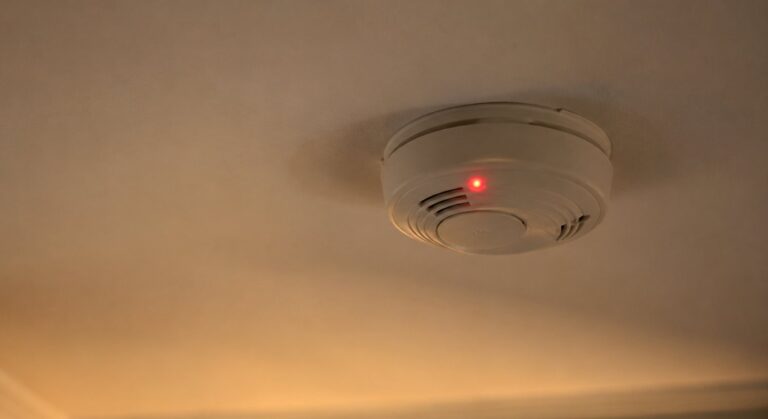
- Are the smoke alarms hardwired, and how old are they?
If the answers are vague, a wiring check before settlement can turn a guess into a figure you can negotiate with. Smoke alarms are often the first thing due in an older house, and the rules on replacing hardwired smoke alarms are worth knowing if you’re buying to rent.
“Book a wiring check before settlement” Pre-purchase wiring checks · Newcastle, Lake Macquarie and Maitland. I’ll look over the switchboard, safety switches and wiring and give you a written report you can take to the negotiation.
Rewire, Partial Rewire or Upgrade the Board?
Not every old house needs a full rewire. It comes down to what the cable in the walls and ceiling is like:
- Switchboard upgrade only. The cable is plastic-insulated and in good condition, but the board has fuses or too few safety switches. A new board fixes the protection. See what a switchboard upgrade costs.
- Partial rewire. Some circuits are old rubber cable, and others have already been replaced, often after past renovations. The old circuits are rewired, and the rest is kept.
- Full rewire. Most of the house is still on its original rubber-insulated cable. It’s the bigger job, and the easiest time to do it is during a renovation, before walls are lined and floors go down.
A new board on top of crumbling cable doesn’t fix the cable. Safety switches may also trip far more often on old wiring, because they’re now detecting faults that were always there.
What a Safety Inspection Covers
A proper wiring check in an older home usually includes:
- The switchboard: its age, condition, protection, and any heat damage.
- Every safety switch tested, and the circuits that have none identified.
- Earthing checked at the board and at a sample of outlets.
- Circuits tested for insulation breakdown, which shows how tired the old cable is.
- A look at the cable in the roof space, with the power off where needed.
- Power points, switches and light fittings checked for heat, damage and earth.
- Smoke alarms checked for age, type and placement.
- A written report that separates urgent fixes from things that can be planned.
If something on the list turns out to be an active fault, electrical fault finding traces it to the cause.
“Inspections and upgrades for older homes across Newcastle” Older homes · Pre-purchase checks · Newcastle, Lake Macquarie and Maitland. Wiring checks, switchboard upgrades and partial or full rewires for older homes, with a written report and a clear plan of what’s urgent and what can wait.
Frequently Asked Questions
How do I know if my house has old wiring?
Ceramic fuses, no safety switches, two-pin power points, warm or scorched switches, and lights that dim when appliances start are the common signs. A licensed electrician can test the cable itself.
Does my house need safety switches?
The NSW Government strongly recommends that homes built before 2000 have a licensed electrician check their safety switch coverage.
Does a building inspection check the wiring?
Usually not. The NSW Government lists electrical wiring among the things building inspectors would not normally check, so ask a licensed electrician for a separate inspection.
How long does house wiring last?
It depends on the cable. Rubber-insulated cable in homes wired before about 1960 is generally at the end of its life. Later plastic-insulated cable usually lasts much longer if it hasn’t been damaged.
Do I need a full rewire or just a new switchboard?
If the cable is in good condition, a switchboard upgrade may be enough. If much of it is old rubber-insulated cable, a partial or full rewire is the lasting fix.
Look, Listen, Then Get It Checked
Most signs of old wiring are visible without touching anything: the board, the outlets, the way the lights behave. If a few of them sound familiar, or you’re about to buy, a wiring check gives you a clear answer. For older homes in Newcastle, Lake Macquarie or Maitland, call 0450 406 450.